Table Of Content
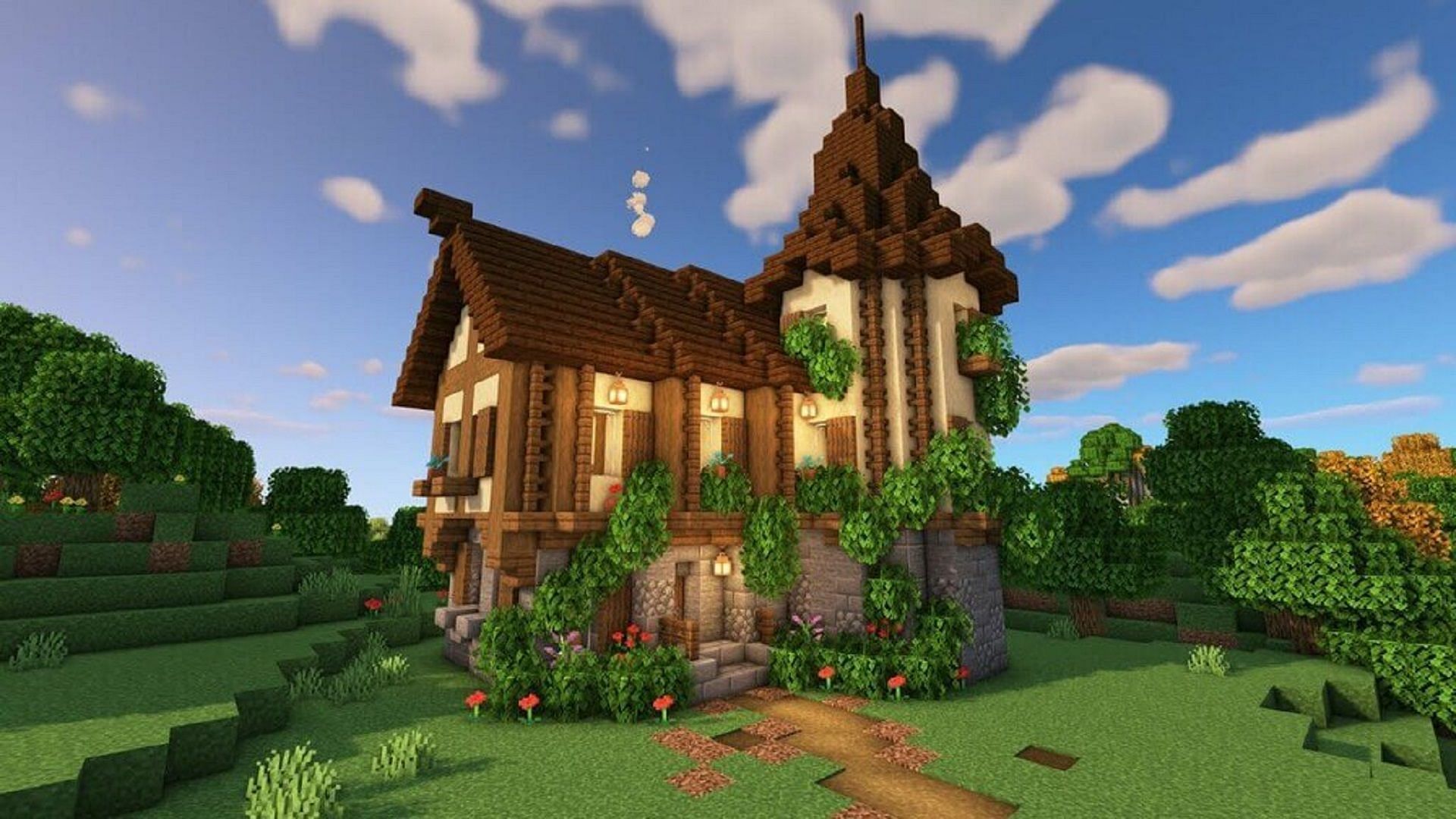
A small village or hamlet would oftn be located on or near the manor grounds, providing a place for the lord’s workers to live and a source of labor for running the estate.
Changes Over Time: Adapting to New Needs
In essence, every medieval house preserved is a chapter of history saved, allowing future generations to step back in time and relive the bygone eras. Architects and designers often draw inspiration from the traditional construction methods and design features of these historical structures. Beyond being mere dwellings, medieval houses played a pivotal role in community cohesion.
Materials Used to Construct Medieval Houses
These varying landscapes set the stage for a rich tapestry of architectural styles and construction techniques. These humble abodes were often single-roomed structures, where families lived, worked, and slept in a shared space. A central hearth provided warmth, while a simple hole in the roof acted as a chimney.
10 best medieval starter houses in Minecraft - Sportskeeda
10 best medieval starter houses in Minecraft.
Posted: Thu, 26 May 2022 07:00:00 GMT [source]
Housing for Knights During the Middle Ages
10 best medieval house designs to build in Minecraft's 1.19 update - Sportskeeda
10 best medieval house designs to build in Minecraft's 1.19 update.
Posted: Mon, 20 Jun 2022 07:00:00 GMT [source]
Large windows, frescoes, and open courtyards were characteristic of this transition, embodying the Renaissance emphasis on art, light, and space. Yet, as the centuries progressed, there was a marked shift towards prioritizing comfort and privacy in housing. Multi-storied structures with distinct rooms for different purposes, like cooking, sleeping, and socializing, became more common. A craftsman is only as good as his tools, and in the medieval era, tools were pivotal in realizing the vision of a sturdy and aesthetically pleasing medieval house. Basic tools like hammers, chisels, and saws were integral in shaping timbers and stones. Amidst towering cathedrals and formidable castles, the medieval house held its own unique allure.
Houses as Status Symbols: Wealth and Power Displays
Cottages, on the oher hand, were smaller dwellings that belonged to peasants or commoners, usually made of wattle and daub (a combination of woven wooden sticks and mud-based plaster). The early medieval houses, often simple wooden structures with thatched roofs, were primarily functional, providing basic shelter against the elements. However, as society became more complex and urban centers expanded, the medieval house began to evolve in both form and function. Towns and cities saw the rise of row houses, built closely together with shared walls, maximizing space in burgeoning urban environments.
The thatched roof, a picturesque feature, was practical and made using locally sourced straw or reed. And not to forget, the central hearth or fireplace, which was the heart of every medieval house, providing warmth, light, and a place for cooking. As we delve into the medieval housing landscape, it’s essential to appreciate the diversity of structures and designs. From the thatched cottages of rural farmers to the timber-framed homes in burgeoning towns, there was no one-size-fits-all. While a nobleman’s medieval house might boast several rooms, ornate designs, and defensive features, a peasant’s abode was typically a single-roomed, multifunctional space. Cities, with their growing populations, began to see houses built closer together, often with overhanging upper stories to maximize space.
They were made of wood or stone and had thick walls, small windows, and thatched roofs. Windows were often protected by wooden shutters and closed at night or during bad weather for security. The majority of the houses only had one room whih served as both a living space and sleeping quarters for the entire family. Furniture was sparse and usually consisted of a bed, a table, and some chairs or benches. There was no central heating and a fire in the middle of the room provided warmth during the winter months. Medieval peasant homes were typically rectangular in shape and measured between 49 to 75 feet long by 13 to 20 feet wide, which translates to an area of 637 to 1,500 square feet.
This stone wall was often reinforced with towers connected by wooden beams or metal bars, creating an impressive barrier that was difficult to breach. In order to further fortify these defensive structures, castle guards would be stationed atop the towers so they could survey their surroundings and protect the castle from potential attackers. As the medieval period waned, giving way to the Renaissance, there was a palpable shift in the design and aesthetics of houses. Influenced by the rediscovery of classical Greco-Roman art and architecture, the medieval house began to incorporate more symmetrical designs, ornate facades, and intricate interior details.
The Heart of Community: Homes as Social Centers
Features such as turrets, battlements, and even the number of chimneys were more than just design elements; they were deliberate displays of affluence. The medieval era didn’t have the luxury of transporting materials over vast distances. Thus, the immediate environment dictated the primary materials for house construction. Thatch, made from straw or reeds, was a common roofing material, especially in rural areas, while slate or tiles adorned the roofs of more affluent homes or those in slate-rich regions. Such endeavors not only bolster local economies but also educate visitors about the rich tapestry of history and culture encapsulated within these walls.
Although these homes varied greatly in size, design and materials used, there were a few common elements shared by all medieval houses. In conclusion, medieval houses were not particularly comfortable or luxurious by today’s standards. They were mainly one story high, with a timber frame and small windows with shutters for security. Although medieval houses may have been cold, damp and dark, they served their purpose of providing shelter for its inhabitants durig the Middle Ages.

Each house had one main room with an open fireplace for heating and cooking with a loft above for storage. Windows were small openings in the walls and ofen covered with animal skin to keep out wind and rain. Manors were the residences of lords or noblemen, often large enough for multiple families to live in. They were typically one story high and enclosed by a stone wall with an entryway featuring a door and window.
Despite the apparent simplicity of these tools, they were instrumental in erecting structures that have, in many cases, stood the test of time. Stone houses, primarily seen in the higher echelons of society or regions abundant in stone, were constructed using the dry-stacking method or with mortar. These methods required a keen eye and a steady hand, ensuring that each stone fit snugly with its neighbor. Timber-framed houses, on the other hand, demanded precision in carving each joint and peg. With no room for errors, each timber’s placement was meticulously planned and executed. They were usually allocated a large room with basic amenities, such as a fireplace, seating, and pallets for sleeping on.
The magnificence of a medieval home lay not just in its design but also in the mastery of techniques and tools that shaped it. Understanding these methods offers a deeper appreciation for the bygone era’s architectural marvels. Medieval houses were built with a timber frame, which povided structural support and was filled in with panels.
Thus, the medieval house, in its structure and ornamentation, became a canvas for the ambitious, an emblem of their ascent in the social hierarchy. The construction of a medieval house was not solely determined by architectural aspirations or the owner’s status. Equally paramount was the location, which played a pivotal role in dictating the materials used and the ultimate design of the house.
While each medieval house had its unique nuances, certain architectural features were widely prevalent. Timber framing, characterized by exposed wooden beams filled with wattle and daub or brick, was a hallmark of many houses, especially in Northern Europe. The cruck frame, which utilized curved timbers, was a distinctive style seen in many English cottages. Stone houses, with their thick walls, were common in regions like the Scottish Highlands, offering protection against both the elements and potential invaders. Windows, in the earlier part of the medieval period, were small and without glass – a luxury few could afford. As time progressed, larger windows with wooden shutters or oiled paper became more common.
The common medieval house often had an open floor plan, which allowed for multifunctional use. By day, it might serve as a workspace or market stall, and by night, a communal area for storytelling or sharing meals. These interactions, centered around the home, were the threads that wove tight-knit medieval communities, proving that the influence of a house extended well beyond its walls. The medieval period, spanning roughly a millennium, witnessed significant changes in almost every aspect of daily life, and housing was no exception. Over these centuries, the humble medieval house underwent numerous transformations, each reflecting the broader shifts in society, economy, and culture. By tracing these changes, we not only understand architectural advancements but also glean insights into the socio-political environment that shaped them.


No comments:
Post a Comment