Table Of Content
- Materials Used to Construct Medieval Houses
- Houses as Status Symbols: Wealth and Power Displays
- Medieval Houses: An Overview
- Housing for Knights During the Middle Ages
- Constructing the Past: How Medieval Houses Were Built
- Building Techniques and Tools of the Time
- Key Features of a Medieval Home’s Architecture

Unlike these grand structures, houses were the silent witnesses to everyday life, encapsulating the routines, dreams, and aspirations of the common folk. The construction of a medieval house was not just a functional undertaking but a reflection of the society’s values, traditions, and advancements. They offer modern historians a tangible glimpse into how people once lived, loved, and labored. Medieval doors were typically quite small due to the relatively low ceiling heights of medieval homes.
Materials Used to Construct Medieval Houses
Nobles houses were typically large and grand structures that reflected the wealth of their owners. They usually featured a Great Hall, which was the main area for entertaining guests and hosting events, as well as a Kitchen, Storerooms, and Servants’ quarters. The interiors were often lavishly decorated with fine tapestries, ornate furniture and artwork.
Houses as Status Symbols: Wealth and Power Displays
This method was inspired by earlier Roman structures, which were adapted to fit the needs of those living during the medieval period. To construct these walls, builders would dig a trench into the ground and fill it with stones and mud. The stones were usually stacked togethr in a staggered pattern and held together with mortar or clay. Once the stones had been securely placed, builders would then raise a thick stone wall on top of them.
Medieval Houses: An Overview
The interior of these homes featured one large room with a fireplace at one end and several smaller rooms around it for sleeping, cooking, and storage. In some cases, multiple families may have shared the same home, while wealthier families had larger dwellings with two stories and separate living spaces for servants. As we step back into the middle ages, it becomes evident that building a medieval house wasn’t just about assembling bricks and beams. It was a blend of resource availability, architectural innovations, and the prevalent socio-economic dynamics. From the humble abodes of peasants to the grand residences of the nobility, the essence of medieval living was captured within the walls of these dwellings. In contrast to the grandeur of manor houses, peasants often lived in more modest dwellings known as cruck houses.
During the Middle Ages, most floors were around 1.5 meters (5 feet) high and thus the doorway heights had to be adjusted accordingly. This made it difficult for people of taller stature to enter a home without stooping or crouching down. Additionally, smaller doors provided an extra layer of security as they were harder to breach by unwanted visitors or intruders. Over time, as floor levels rose and building materials improved, doorways became larger and more accessible. Similarly, homes with glazed windows or ornate carvings were indicative of a household with considerable means.
Celebrating the Medieval House: Historical Significance and Preservation
Resource availability, both in terms of raw materials and skilled craftsmen, was intrinsically tied to the locale, giving each region its unique architectural fingerprint. Houses close to water bodies or in flood-prone areas were often elevated or had their ground floors used as storage, protecting the living quarters from potential water damage. In coastal areas, designs incorporated measures to combat the saline air, ensuring the house’s longevity. The essence of a medieval house’s design was largely about making the best of what the land offered and mitigating its challenges. The medieval period saw an evolution in building practices, bringing innovations while still clinging to age-old methods. The process of erecting a medieval house was labor-intensive, relying heavily on the skill of craftsmen and builders.
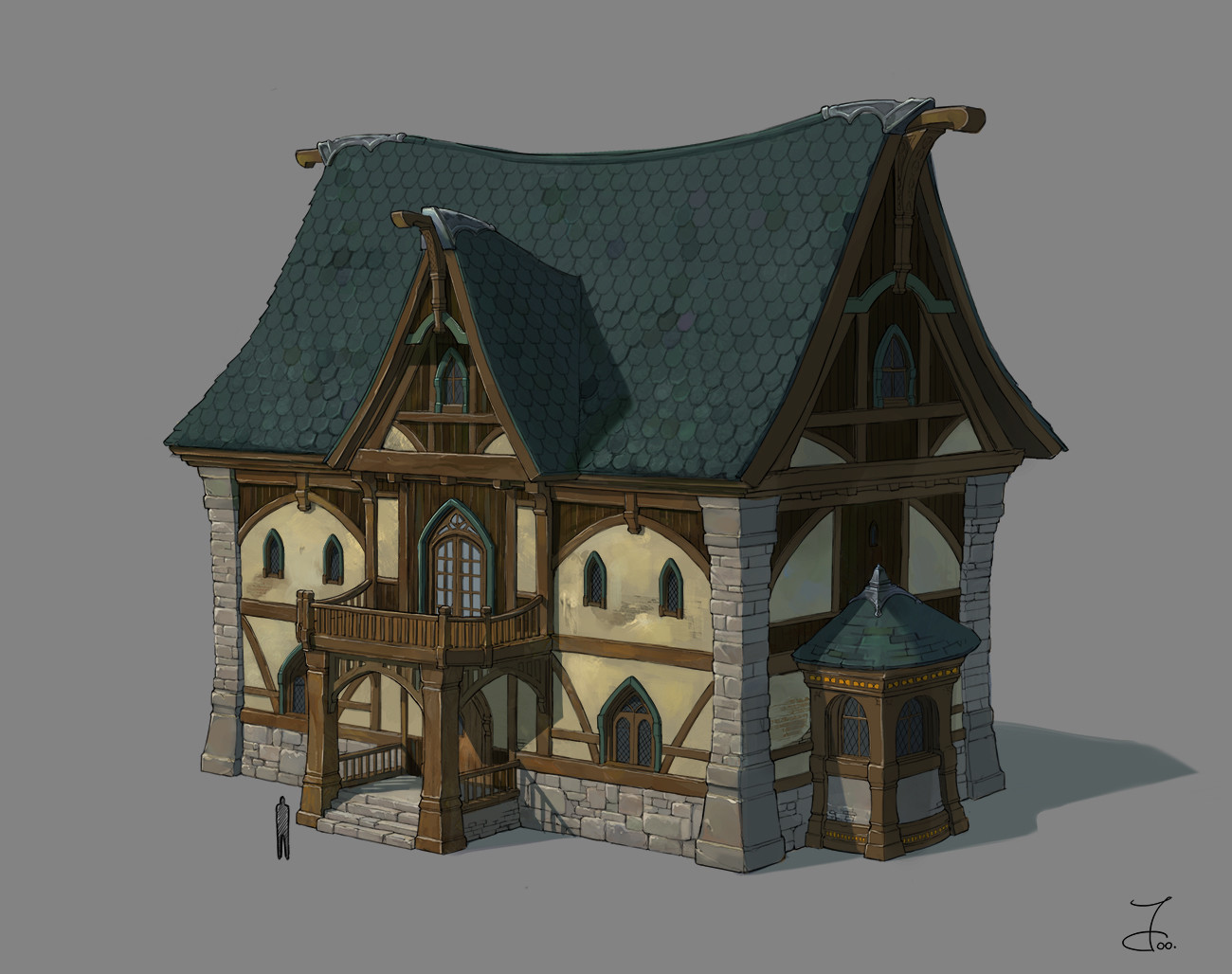
Merchants and craftsmen, thriving in the bustling medieval towns, resided in timber-framed houses. These structures often had a shop or workspace on the ground floor, with living quarters above. At the pinnacle, the nobility’s residences were expansive, boasting multiple rooms, ornate detailing, and often fortified elements. These manor houses or smaller castles were not just homes but symbols of power and authority. These houses were constructed using a wooden frame and wattle and daub, a thick plaster made of mud, straw, and manure. The walls were usually around two feet thick, providing good insulation against the elements and some protection from intruders.
Building Techniques and Tools of the Time
These panels were filled with wattle and daub, a composite material made by weaving twigs, usually hazel twigs, in and out of uprights. This created a strong and durable material that was used to fill in the panels of the timber frame. The walls were then plastered over and painted to create a finished surface on the inside of the house. The significance of the medieval house extends beyond its architectural grandeur; it serves as a tangible link to our past. Recognizing this, many countries have made concerted efforts to preserve and restore these historical structures. In contrast, the humbler abodes, clustered closely in villages, facilitated daily interactions, fostering a sense of camaraderie among neighbors.
Key Features of a Medieval Home’s Architecture
As a result, the Great Hall played a crucial role in maintaining social order within medieval society. One of the most common types of medieval housing was the manor house, which was typically the residence of a lord or nobleman. They were generally quite large, often having multiple stories and even enough space to accommodate several families. Most manor houses had walls made from stone and featured an entryway with both a door and window. Additionally, the economic prosperity of the Renaissance era meant that more individuals could afford to build or commission grander homes. Merchants and the burgeoning middle class began to construct houses that rivaled those of the nobility in size and grandeur.
This shift was a response to the increasing population and the need to accommodate more people within the confined spaces of medieval city walls. Its versatility allowed for both framework and finer details, such as decorative carvings. Wattle and daub (a network of woven wooden strips covered with clay or mud) was a popular method for filling in walls, ensuring insulation and sturdiness. In areas rich in stone, houses took on a more durable and imposing appearance, standing resilient against both time and adversaries. Thatch, made from straw or reeds, was commonly used for roofing, especially in rural settings. Bricks, though used less frequently than timber or stone, also found their place in the medieval house construction, especially in regions where clay was plentiful.
This transition was not merely about aesthetics; it reflected a broader societal shift. Forests had to be felled for timber, quarries mined for stone, and clay pits dug for bricks. Timber would be seasoned, stones chiseled to perfection, and clay molded and fired into sturdy bricks. Geographical factors often left an indelible mark on the design and construction of a medieval house. For instance, in the rocky terrains of Scotland and Wales, stone was a readily available resource. In contrast, the timber-abundant regions of Northern Europe saw the proliferation of wood-based constructions.
Creating a Stylized Medieval Building in 3ds Max, UE5 & Substance 3D - 80.lv
Creating a Stylized Medieval Building in 3ds Max, UE5 & Substance 3D.
Posted: Mon, 23 Jan 2023 08:00:00 GMT [source]
Larger homes, particularly manors or those belonging to the local elite, often doubled as venues for social gatherings, be it festive celebrations, community meetings, or even judicial hearings. These homes were not just physical structures; they were the heartbeats of medieval communities. The construction of a house, from its design to the materials used, offered a window into the social status, wealth, and even the profession of its inhabitants. This dynamic interplay between architecture and society paints a vivid picture of how deeply entwined a medieval house was with the cultural tapestry of the era. Traditional construction of a medieval house was an art, handed down through generations.
From modest one-roomed huts to sprawling manors with intricate detailing, the era showcased a tapestry of designs, each holding its own tale of domestic life. It served as a place for feasting, entertaining, and sleeping, as well as being the main living space for the family. The Great Hall was also used to conduct administrative tasks such as dispensing justice and receiving guests. Many of these activities would have been performed in public areas of the hall, allowing othr members of the household to observe and learn from them.
For the more massive structures or where stones were used extensively, more substantial equipment came into play. Treadwheel cranes, powered by men walking inside a large wheel, helped lift heavy stones. The pulley system was a simple yet ingenious tool that aided in lifting heavy timbers or stones.
Due to the lack of insulation and ventilation, thee rooms could get quite smoky from the fireplaces and hearths used to cook and provide warmth in colder months. Knights were also provided with meals prepared by the castle staff, including hearty dishes like venison, beef, fish, and vegetable soups or stews. Inside the manor house itself there would usually be a great hall where feasts were held, in addition to living quarters for family members and servants. A medieval manor would typically have been comprised of a large tract of land, typically divided into fields of crops such as wheat and barley, as well as pastures for grazing animals. The lord of the manor’s residence (the manor house) would usually be situated at the center of the estate, surrounded by outbuildings such as barns and stables.
The enduring charm of medieval house building lies not just in its stone and timber but in the stories these walls have witnessed and the history they’ve endured. Moreover, there’s a resurgence in the interest of sustainable and eco-friendly building practices, which align closely with many techniques used in medieval house construction. The architectural nuances of a medieval house often served as silent but potent indicators of the homeowner’s standing in society. Larger homes, especially those built with expensive materials like stone or with intricate designs, were clear markers of wealth.


No comments:
Post a Comment